
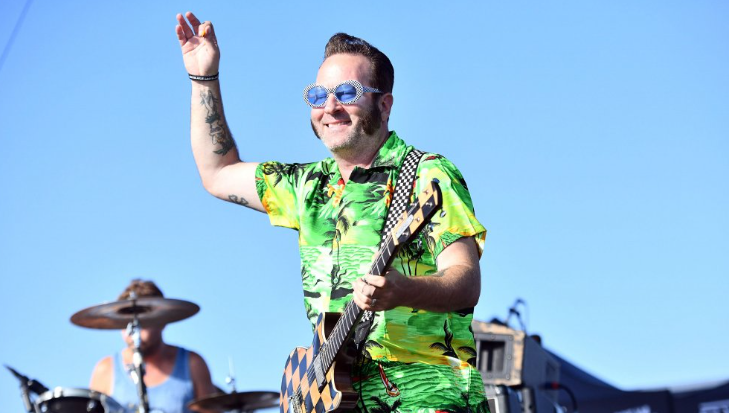
SKA music is one of Jamaica’s most vibrant contributions to global popular music, combining infectious rhythms with a rich cultural heritage. Known for its fast-paced energy and distinctive offbeat guitar chops, this music represents a unique fusion of Caribbean folk traditions with African American musical influences. Its evolution from local dance halls to international stages highlights not only the versatility of the genre but also its enduring influence on modern music.
Origins and Early Development
Ska emerged in Jamaica during the late 1950s, a period when sound systems—mobile discos powered by loudspeakers—played a central role in the dissemination of new music. These sound systems introduced Jamaicans to American rhythm and blues, particularly the New Orleans style pioneered by artists like Rosco Gordon. Jamaican musicians absorbed these influences and fused them with local styles, notably mento, a traditional Jamaican dance music, and Cuban mambo, creating a new, rhythmic sound.
One key innovation of ska was the “ska chop,” a guitar technique emphasizing the offbeat, which simulated the boogie-woogie piano riffs of New Orleans R&B. While the precise origin of this style is debated, guitarist Ernie Ranglin is widely credited with popularizing it. Accompanied by brass instruments such as saxophones, trombones, and trumpets, the music gained a driving, locomotive quality. Drums maintained a steady 4/4 beat, often accenting the second and fourth beats to heighten the rhythm, creating an unmistakable sound that immediately set ska apart.


Iconic Artists and the Rise of Instrumental Ska
During its formative years, ska was predominantly instrumental. Guitarists, horn players, and drummers crafted intricate arrangements that became the genre’s hallmark. Artists such as Derrick Morgan, Prince Buster, Toots Hibbert of Toots and the Maytals, and Justin Hinds rose to prominence, establishing ska as Jamaica’s first indigenous urban pop style.
Following Jamaica’s independence from British rule in 1962, the nation celebrated not only its newfound freedom but also the sound of ska. This period saw the formation of the Skatalites, a group of talented studio musicians including Don Drummond, Roland Alphonso, Tommy McCook, and Jackie Mittoo. Their recordings became seminal, providing the musical backbone for many singers and even early tracks by Bob Marley and the Wailers. Trombonist and composer Don Drummond was particularly influential, leaving a legacy that shaped ska’s signature sound despite his personal struggles.
International Waves of Ska
Ska’s infectious rhythms quickly transcended Jamaica, inspiring multiple international waves:
- First Wave (1960s): Artists like Millie Small, with her hit “My Boy Lollipop,” and Desmond Dekker brought ska to the United Kingdom, giving it a global audience.
- Second Wave (1970s): British bands such as The Specials, Madness, and The Selector integrated punk and pop into ska, popularizing a “2-tone” aesthetic characterized by stylish suits and racially integrated lineups.
- Third Wave (1980s, US): Ska spread to American audiences through bands like General Public and the continued influence of Madness, blending pop and new wave elements.
- Fourth Wave (1990s): Groups such as No Doubt, Sublime, and the Mighty Mighty Bosstones brought ska to mainstream pop music, while early ska pioneers like the Skatalites and Derrick Morgan found renewed recognition.
Ska’s influence can be traced in contemporary music across genres, from punk to reggae to pop, demonstrating its adaptability and enduring appeal.
See also: Understanding the Lifespan of Different Roofing Materials
Cultural Impact and Legacy
Ska’s significance extends beyond its sound. It has served as a cultural bridge, merging African, Caribbean, and Western influences. The genre has also fostered community and identity, particularly in Jamaica and among diasporic populations in the UK and the US. Its distinctive rhythms and celebratory energy have made ska synonymous with dance, joy, and social cohesion, while its politically conscious lyrics—especially in later waves—highlight social commentary and resistance.
The genre’s crossover into mainstream pop has also had commercial impacts, influencing fashion, dance styles, and even film soundtracks, illustrating how music can shape broader cultural landscapes.
Conclusion
Ska music remains a vital part of global musical history. From its Jamaican roots to its international popularity, ska has continuously reinvented itself while retaining its signature rhythmic energy. The genre not only paved the way for reggae but also inspired generations of musicians worldwide, proving that a fusion of cultural sounds can create music with lasting resonance and universal appeal. Ska is not just a musical style; it is a celebration of rhythm, culture, and creativity that continues to influence artists and delight audiences around the world.