
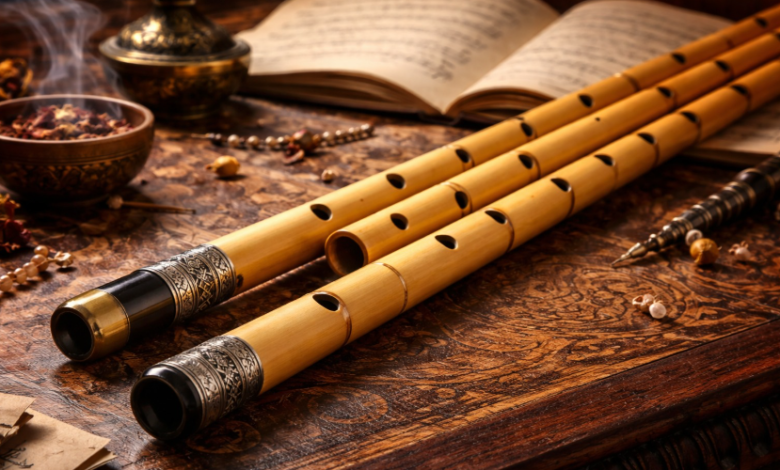
The world of music is filled with instruments that carry stories, culture, and tradition across centuries, and among these, the ney musical instrument stands out for its timeless appeal. With its delicate, haunting tones and deep cultural roots, the ney is much more than a simple flute—it is a vessel for emotion, spiritual expression, and the rich musical heritage of the Middle East.
For centuries, the ney has been a central figure in classical and Sufi music, offering musicians a medium through which they can evoke profound feelings and connect listeners to centuries of tradition. Its unique sound can immediately transport anyone to the heart of historical performances in grand palaces, mystical gatherings, or intimate musical assemblies.
The History of the Ney
Origins and Cultural Significance
The ney is an end-blown flute traditionally made from a reed. Its origins trace back thousands of years, appearing in ancient Egyptian, Persian, and Ottoman music. It was often associated with spirituality, meditation, and ceremonial practices, particularly in Sufi traditions.


Unlike Western flutes, the ney produces a breathy, ethereal sound that requires precise control of airflow and embouchure. This unique technique allows musicians to create subtle variations in pitch and tone, conveying a sense of intimacy and emotion rarely achieved by other instruments.
Evolution Through Time
Over the centuries, the ney has evolved in both design and usage. While the core structure—a hollow reed with finger holes—remains unchanged, modern versions often include refinements in tuning and durability, making it accessible to contemporary musicians without losing its ancient character.
Musical theorists and ethnomusicologists recognize the ney as a bridge between traditional Arabic music and modern compositions, showing how an ancient instrument can remain relevant in contemporary artistry.
Playing the Ney: Techniques and Mastery
Breath Control and Finger Placement
Mastering the ney requires dedication. The musician must learn how to control breath, finger positioning, and embouchure to create the instrument’s signature sound. Unlike other flutes, the ney’s tone is heavily influenced by subtle adjustments in the musician’s lips and airflow, making each performance deeply personal and unique.
Musical Styles and Expressions
The ney is versatile. It can accompany classical Arabic ensembles, perform solo melodies, or integrate into fusion music, blending traditional tones with modern instruments like keyboards and guitars. Its expressive potential allows musicians to convey emotions ranging from joy and serenity to melancholy and contemplation.
Famous Ney Players
Several renowned artists have helped popularize the ney globally, demonstrating its rich versatility. Their performances inspire new generations of musicians to explore this ancient instrument, ensuring that its legacy continues in both traditional and contemporary settings.
The Ney in Modern Music
Integration with Contemporary Genres
Today, the ney finds its place in modern music festivals, recordings, and live concerts. By combining traditional melodies with electronic or orchestral backgrounds, musicians create innovative soundscapes that honor the ney’s history while appealing to global audiences.
Educational and Cultural Preservation
Organizations and music academies are increasingly incorporating the ney into their curricula to teach young musicians about Middle Eastern heritage and music theory. These educational initiatives preserve the instrument’s legacy and encourage cultural exchange through music.
See also: Properties for Rent in Abu Dhabi: Discover the Ideal Neighbourhood for Your Lifestyle
Why the Ney Remains Important
The ney is more than an instrument; it is a living symbol of cultural identity and artistic expression. Its haunting, soulful sound continues to inspire composers, musicians, and listeners alike. For anyone seeking a musical journey that connects past traditions with modern creativity, the ney provides an unforgettable experience.
- Cultural Significance: Rooted in centuries of Middle Eastern music and Sufi spiritual practices.
- Unique Sound: Breath-controlled, ethereal tones that evoke emotion.
- Adaptability: Can blend with classical, contemporary, and fusion genres.
- Educational Value: Preserved through teaching and workshops worldwide.
Conclusion
In the evolving landscape of global music, the ney stands out as a timeless instrument that bridges history, culture, and creativity. From its origins in ancient civilizations to its role in contemporary performances, the ney continues to mesmerize audiences with its haunting melodies and spiritual resonance. For musicians and listeners alike, exploring the ney offers a profound connection to the rich heritage of the Middle East and an inspiring journey through time, melody, and tradition.